
CNC Aluminum Profile Bending Trial for Window Frames
Validate bend radius, section shape and usable arc length on your production extrusion before selecting a CNC aluminum profile bending machine.
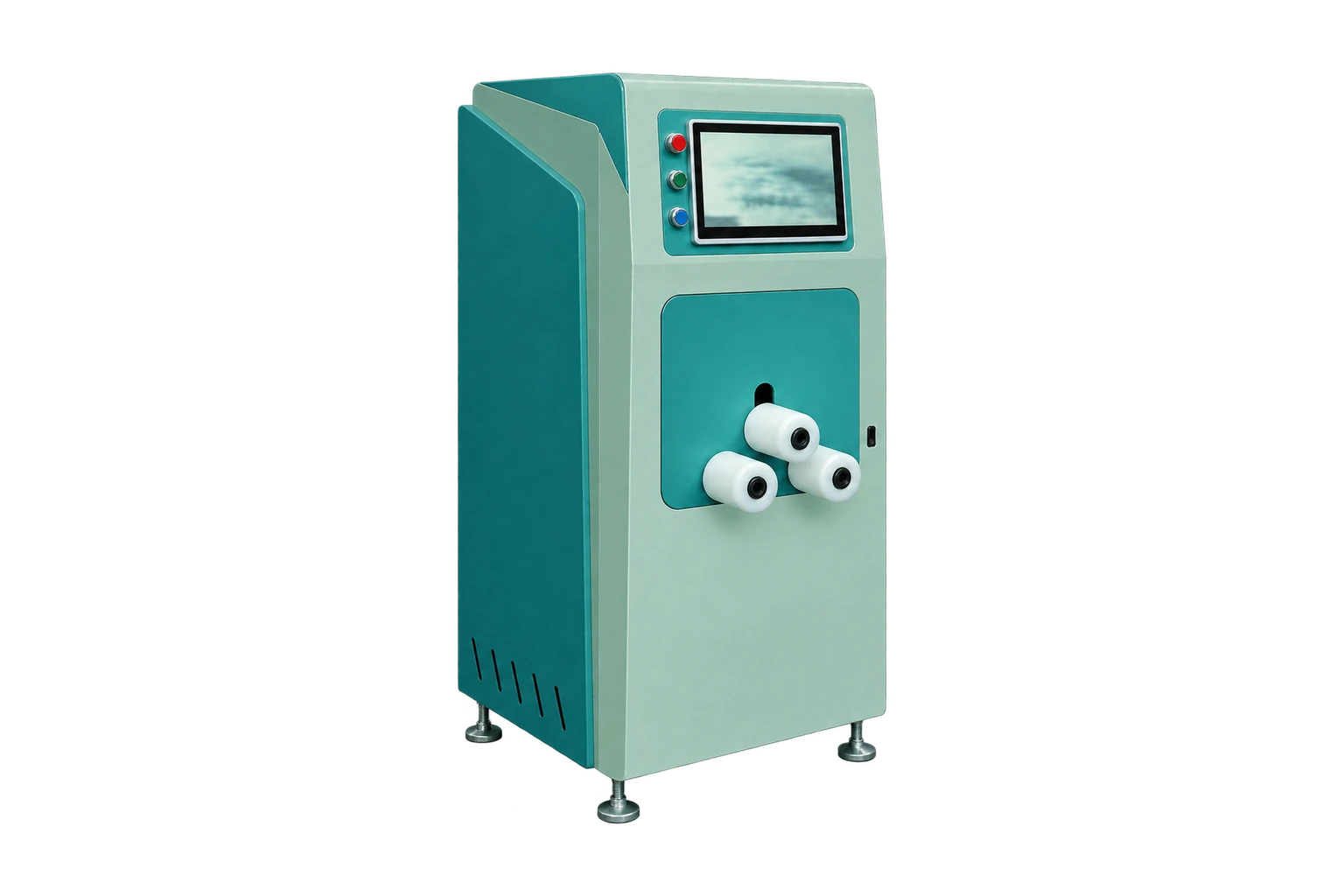
Define the radius on the drawing
Identify whether the target radius refers to the inside edge, outside edge or another line. Specify the alloy and temper, wall thickness, visible finish, required straight tails and the target arc after release. A radius measured on the roller setting is not a substitute for a measurement on the finished part.
Inspect the cross-section as well as the arc
Use the actual profile and approved roller set. Compare the unloaded arc to a template or agreed measuring method, then inspect twist and section distortion along the curve. Check whether glazing beads, gaskets or mating profiles still engage. Document which end sections are unusable or need trimming rather than assuming the full raw length is available.
Repeat after a setup change
Run several parts from the intended stock, then restore the setup after a profile change. Record the roller setup, material batch and finished arc. If the result varies, compare stock condition and support before adjusting compensation. Ask the supplier to quote any custom rollers with the trial so the production configuration matches the approved result.
What to record before production release
Report the inspected radius at the stated reference line and the usable arc after trimming. Record cross-section checks at both ends and around mid-arc. Include the required straight tails in the drawing so a satisfactory radius cannot hide a short finished component.
Related equipment and reading
Send your drawings or samples for review.
Technical reference
Sika profile roll-bending service. An industry example of the material, section and radius information requested for feasibility review.