
Choosing Circular Saw Blades for Aluminum Profiles
Match the blade to the saw, extrusion section and required edge finish, then verify it on a representative cut.
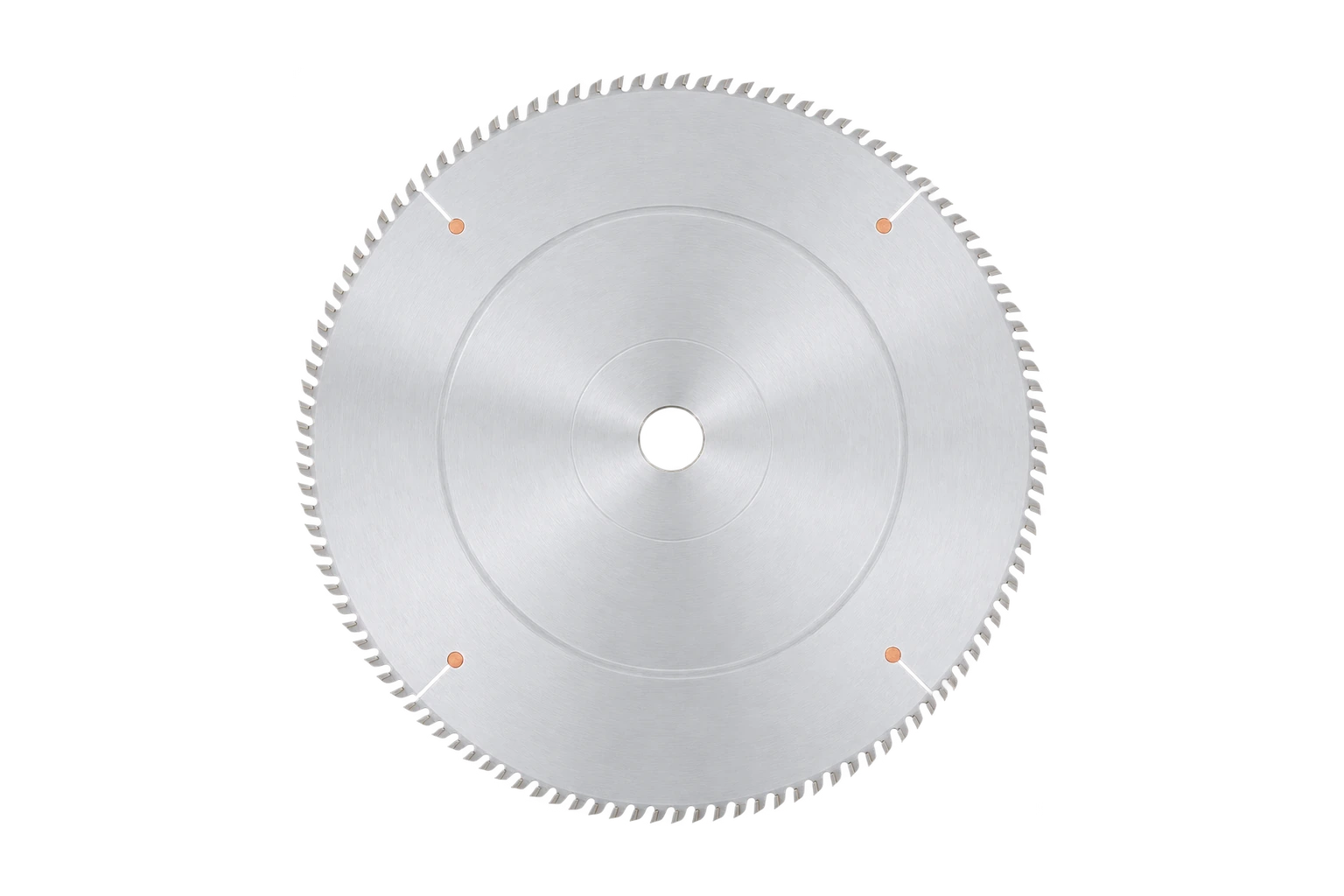
Start with the saw's approved specification
Confirm blade diameter, bore, locating holes, permitted speed and mounting details from the saw manufacturer. Give the blade supplier the alloy, wall thickness and section geometry. Ask for the approved tooth form and count for that combination. A blade that physically fits may still be unsuitable for the approved speed or guarding arrangement.
Run the difficult sections first
Compare a thin-wall profile, a deep section and the widest section cut at an angle. Check burrs, cut-face marks and repeat dimensions with the same support and feed conditions. If a finish problem appears on only one end, inspect clamping and machine condition before assuming both blades need replacement.
Track accepted pieces through blade life
Record blade identification and the stock used. Compare accepted cuts and quality drift over a representative run rather than judging on a single fresh-blade cut. Follow the machine and tooling supplier's inspection, change and regrinding instructions. Keep the accepted blade specification in the process sheet.
What to record before production release
A fresh blade trial and a wear trial answer different questions. For each, record the same profile and cut angle along with edge appearance and dimensional repeatability. Ask the supplier to confirm compatibility before testing a different blade geometry.
Related equipment and reading
Send your drawings or samples for review.
Technical reference
elumatec DG 104 technical sheet. An industry example of how a saw supplier documents angle ranges, cutting diagrams and supports. The DG 104 is not the Jinren machine discussed here.