
Choosing a Compact CNC for Short Aluminum Parts
Compare clamp engagement, part clearance and mixed-batch changeover before buying a compact CNC machine.
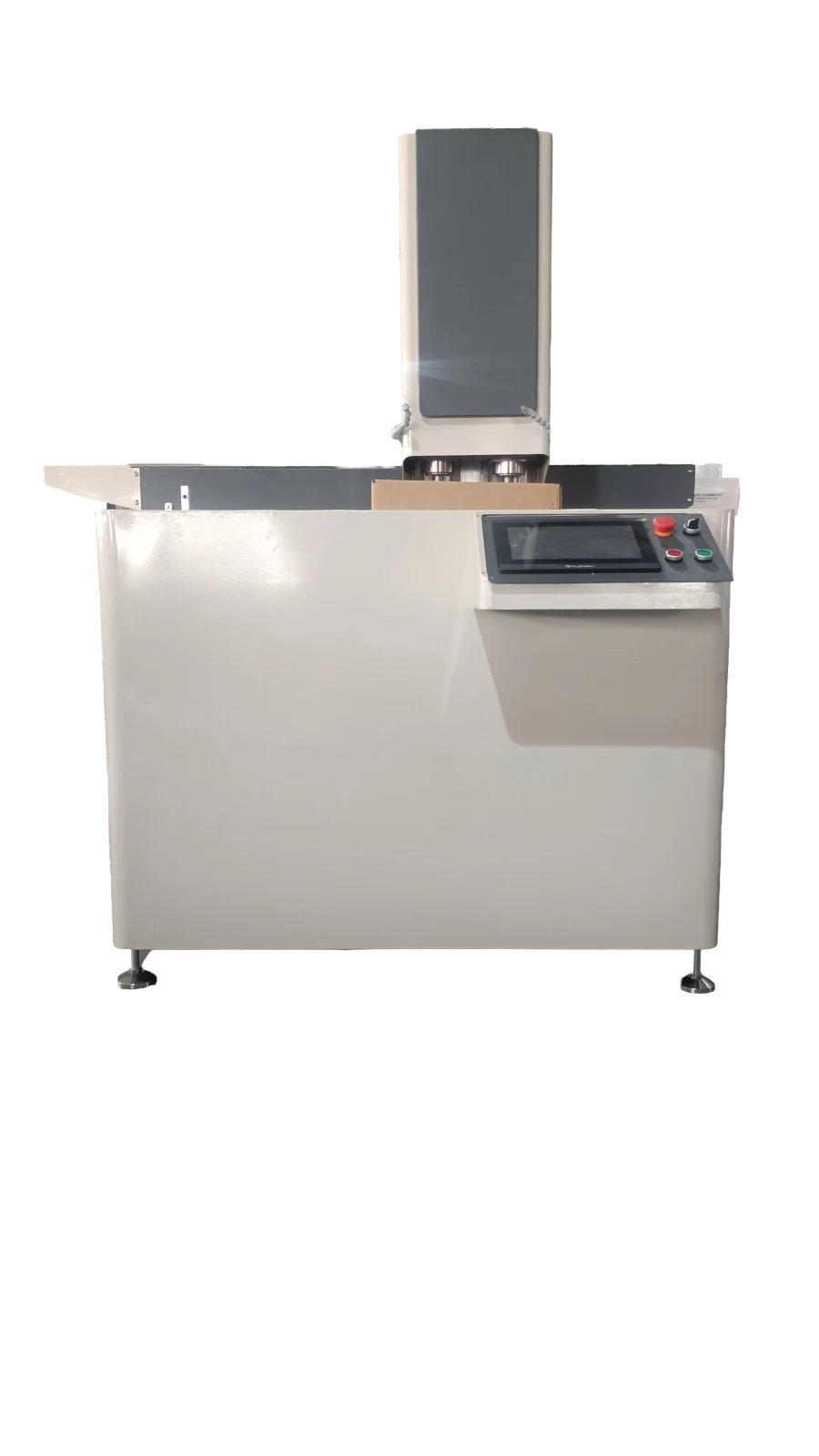
Start with the shortest usable blank
A short part can leave too little room for jaws and the tool holder even when it easily fits the nominal bed. Draw the grip area, the first feature and the cutter path. Ask the supplier to demonstrate how the stock is located and safely retained on the quoted fixture.
Compare the usable installation footprint
Mark room for loading, service doors, extraction and chip removal. A smaller cabinet does not determine the full operating footprint. Ask for the layout with guarding and auxiliaries installed, then walk the operator path with a real batch.
Check output on a mixed lot
Use recurring short parts and at least one awkward profile change. Time the first accepted piece after setup and then the remainder of the batch. Compare the cost of dedicated jaws and tool changes. Inspect visible marks and burrs, and verify that the operator can reload the shortest part repeatably.
What to record before production release
Document minimum safe grip on the approved fixture and the accessible feature span for the shortest part. Leave a named slot in the trial report for jobs that need a secondary fixture instead of silently averaging them into the machine cycle.
Related equipment and reading
- Compact CNC Drilling and Milling Machines for Aluminum Profiles
- How to Choose an Aluminum Profile CNC Milling Machine
Send your drawings or samples for review.
Technical reference
Fom Industrie FMC technical sheet. An industry example of documenting working areas, stops, vices and tool configuration independently. It does not specify Jinren capability.