
How to Choose an Aluminum Profile CNC Milling Machine
Compare cutting and milling equipment, four-station CNC machines and heavy-duty profile machining by your drawings, workholding and measured cycle time.
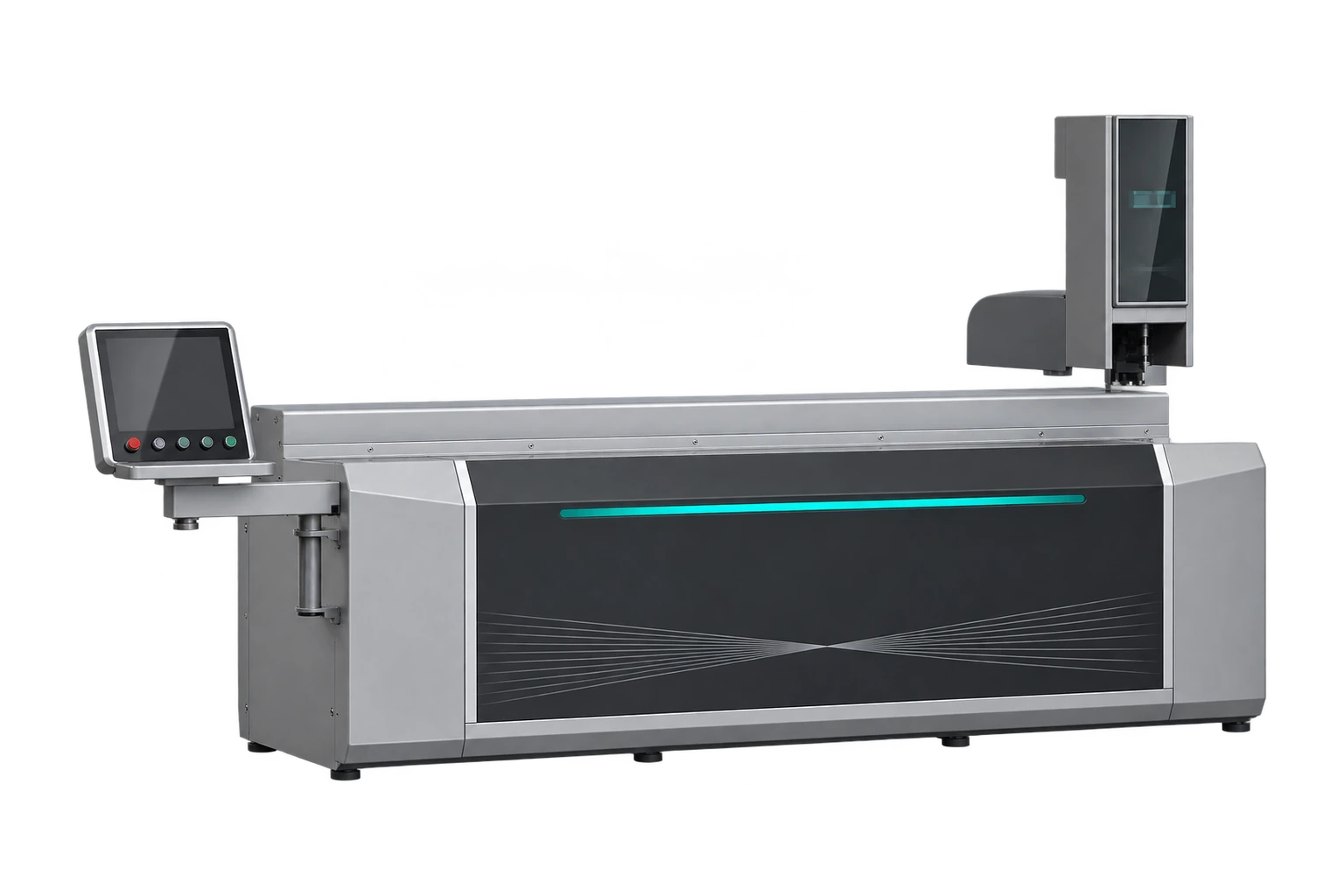
Choose an aluminum profile CNC milling machine by matching the part drawing to the machine’s usable working envelope, accessible faces and tooling. For aluminum window and door fabrication, the best starting point is a representative extrusion with the actual hinge, lock and drainage features marked on each face.
Match the machine to the operation
| Production requirement | Equipment to compare | What to verify |
|---|---|---|
| Cut to length and add holes or slots | Aluminum profile cutting and milling machine | Cut angles, reference datum and feature positions after cutting |
| Repeated drilling and slotting | CNC drilling and milling machine for aluminum profiles | Station layout, loading sequence and cycle time for the actual part mix |
| Widely spaced features on long extrusions | Heavy-duty aluminum profile drilling and milling machine | Reach with clamps, end clearance and tooling installed |
Check the usable machining envelope
List the smallest and largest extrusion cross sections, raw length and finished length. Then mark the first and last machining positions. X-axis travel and usable part length are separate figures. Long stock may fit on a bed yet still place a feature outside tool reach. Ask for a drawing or simulation showing the cutter and clamps at the worst positions.
Compare output on the same production batch
For each supplier, time loading, clamping, tool changes, any repositioning and unloading. Then run a profile changeover and measure the first accepted part. Spindle travel speed alone will miss the work an operator does between machining cycles. Compare accepted parts per shift with the same batch mix and inspection criteria.
What should a buyer send for a quote?
Send a cross-section drawing, finished part drawings with datums and tolerances, a hardware schedule, typical batch sizes and a daily output target. Ask the supplier to identify included fixtures, tools and software, and to demonstrate the most difficult part before acceptance.
Where to start with Jinren
Compare the JR-2100 cutting and milling machine for combined processing, the four-station CNC drilling and milling machine for recurring feature patterns, and the heavy-duty drilling and milling machine for widely spaced features. Send your profile drawings to Jinren for a configuration review.
Reference: elumatec technical sheet, which lists machining lengths separately for work with and without end machining.
What to prepare
Start with three drawings: your longest part, the section with the most difficult feature access, and the highest-volume part. A single sample rarely represents all three constraints.
What to check during the trial
Compare each supplier against the same feature map. Mark every hole, slot and pocket by face, depth and datum. Ask which features need a separate setup and how the datum is recovered.
How to record the decision
Run the same representative batch before comparing output. Record setup, loading, actual cutting, tool changes and inspection as separate entries so you can identify the real bottleneck.