
End Milling vs. Drilling and Milling for Aluminum Windows
End milling shapes the end of a transom to match its mating section. Face drilling and milling create fixing holes, drainage slots and hardware pockets. Mark the tool approach for every feature before selecting equipment.
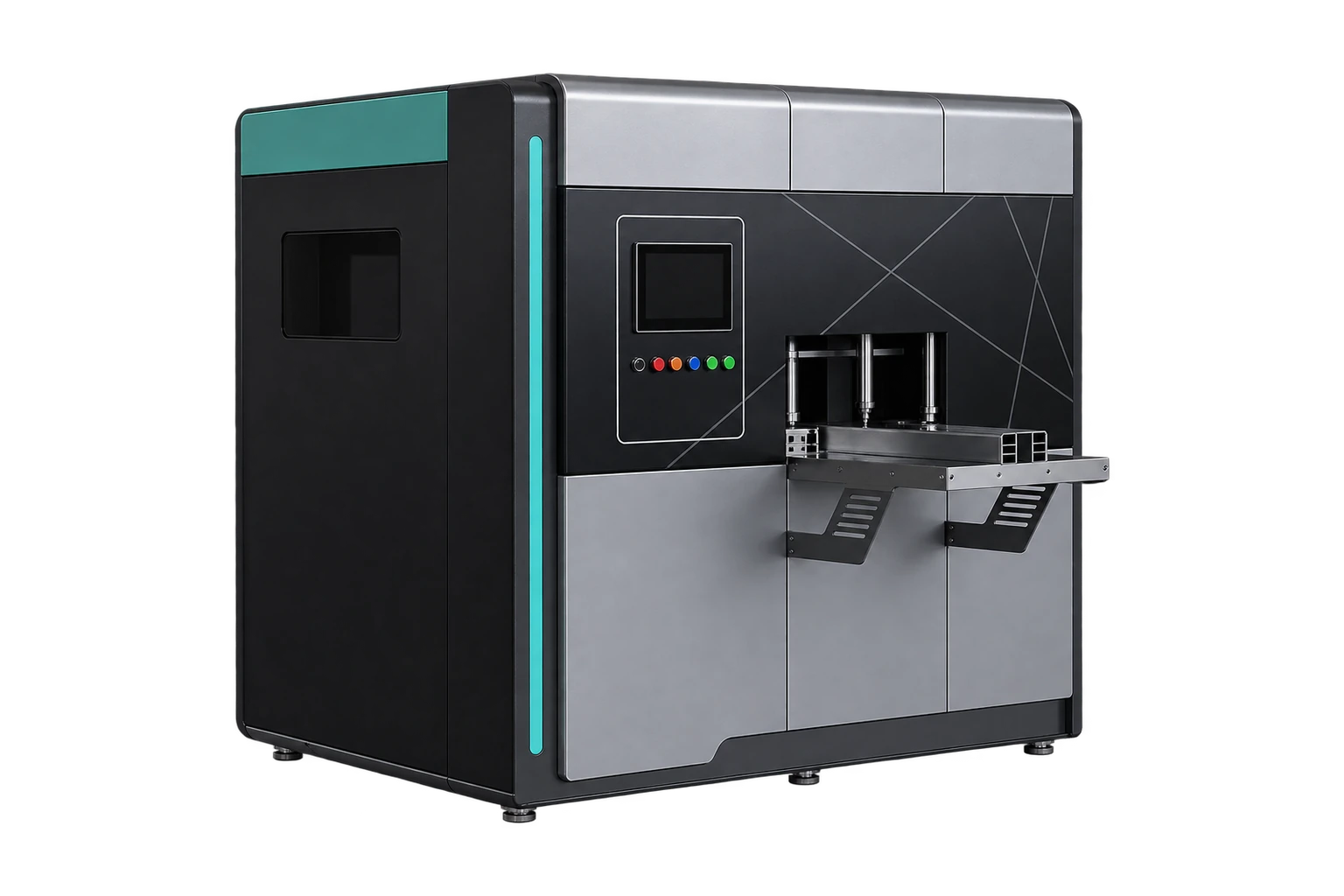
Which operation does a transom need?
End milling shapes the end of a transom to match its mating section. Face drilling and milling create fixing holes, drainage slots and hardware pockets. Mark the tool approach for every feature before selecting equipment.
How to validate the joint
Cut length alone cannot establish a tight joint. Check the milled contour against the mating frame profile, then inspect holes and slots from the finished-part datum. If a supplier proposes one combined setup, ask them to demonstrate both end access and face access with your clamps in place. Record setup time and fit the joint before accepting the trial.
Related Jinren equipment
Discuss your drawings with Jinren.
What to prepare
A transom end usually needs a contour that seats against the mating profile. Specify the shoulder and mating section so the supplier can assess cutter reach and the required finish.
What to check during the trial
A drainage slot or hardware pocket belongs to a profile face. Mark the face and approach direction independently of the joint contour; a drawing with only overall dimensions cannot define both operations.
How to record the decision
For a combined job, inspect a trial assembly and the position of holes or slots against their own datum. Confirm whether the two operations need separate stations or setups.
An end milling machine for aluminum windows and doors is evaluated on the contour it produces at the joint. If the same part also needs a drainage slot or hardware opening, mark the face and depth separately on the sample drawing.