
CNC Milling Lock Pockets and Concealed Hinges in Aluminum Doors
Plan lock pocket milling, concealed hinge machining and handle slots from the hardware drawings, then verify setup and fit on a production extrusion.
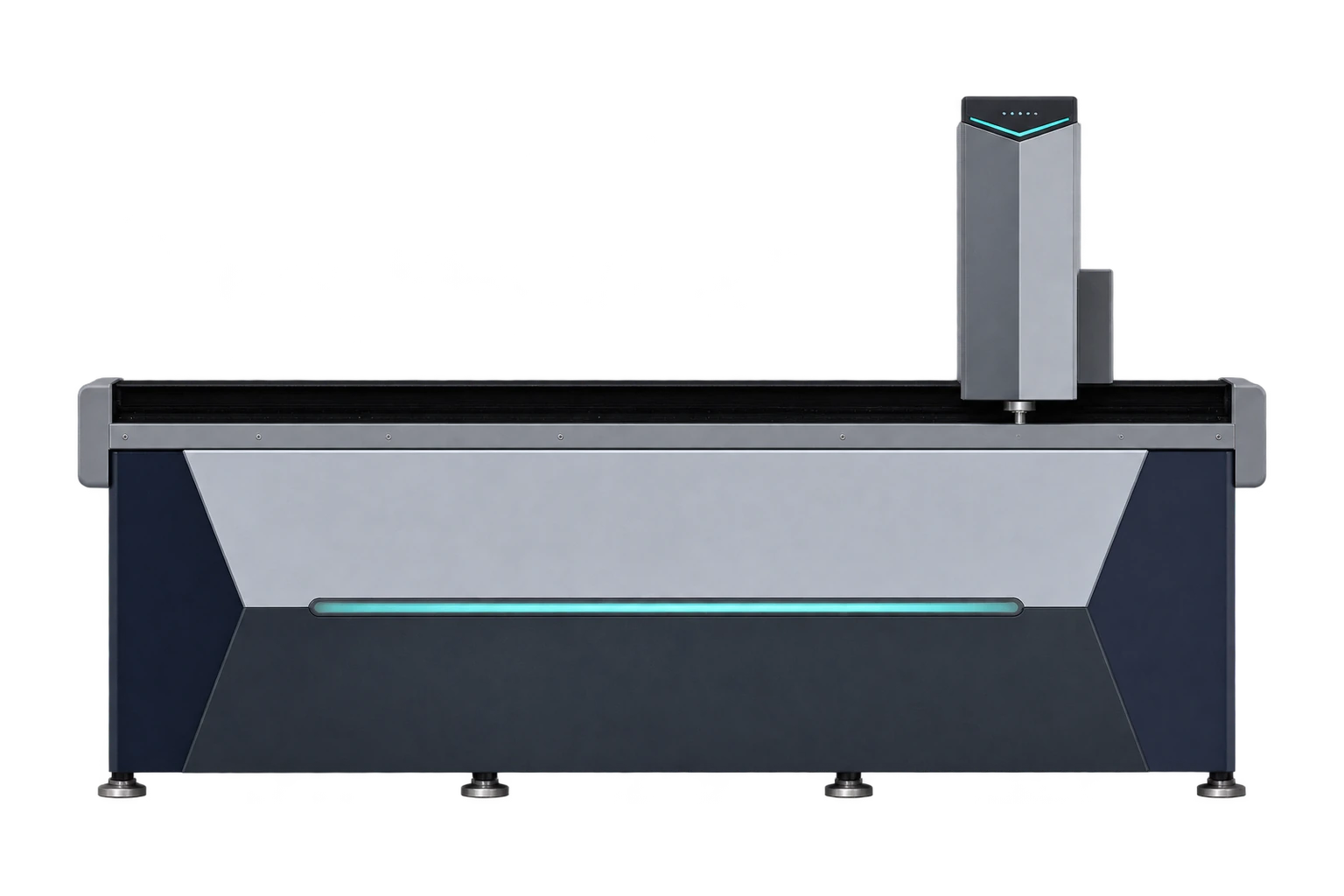
For aluminum door lock pocket milling and concealed hinge machining, start with the hardware manufacturer’s drawings and the finished door datum. Mark the pocket depth, mounting holes, handle slot and door handing before choosing the cutter or fixture. The fit test is the assembled hardware in a representative door profile.
Turn the hardware drawing into a machining plan
- Identify the reference face and which end locates the finished part. Record left-hand and right-hand parts separately.
- Map the lock body pocket, faceplate recess, spindle or cylinder opening, fixing holes and hinge recesses by profile face. Identify any internal web or thermal break near the cut.
- Check the minimum internal corner radius, cutter reach and clearance around clamps. Confirm pocket depth and remaining material against the drawing.
- Machine and inspect a first article, then fit the actual lock and hinges. Check that fasteners seat and the door hardware moves freely.
When is automatic tool change useful?
An automatic tool change milling machine for aluminum doors is a candidate when each part needs multiple tool types, such as a pocket cutter and a drill. Compare the full sequence on a mixed batch, including tool setup and offsets, part handling and changeover. Also confirm which faces are reachable in one setup. A tool changer handles tools, while the fixture or head determines face access.
What should be checked on thermal-break aluminum profiles?
Use the finished profile cross section and locate the thermal break relative to the pockets. Agree on allowable machining with the profile and hardware suppliers. On the sample, check slot position, pocket depth, visible surface condition and installed hardware fit. Include both handed versions if the production line makes both.
Compare Jinren options on your own drawings
Review the Jinren automatic tool change hinge milling machine for sequential hinge recesses, lock pockets and handle slots. The four-station drilling and milling machine is another option to assess for recurring parts. Share a profile section and hardware drawing so the machining sequence can be reviewed against your actual door system.
Reference: Fom Industrie FMC Serie 2 lists tool storage, clamping and multi-angle head capability as separate features to compare.
What to prepare
Use the hardware manufacturer’s drawing to separate the lock-body pocket, faceplate recess and spindle or handle openings. Mark the installed orientation on both handed variants.
What to check during the trial
Check cutter corner radius against the hardware envelope. An apparently correct opening can still interfere with the lock body if the corners, pocket depth or fastener clearance differ from the drawing.
How to record the decision
Dry-fit the specified lock and hinge after deburring. Check that the faceplate sits flush, the spindle turns freely and the door closes without binding before freezing the program.